Core business and entrances are unclear
The brand and factory are prominent, but buyers still struggle to confirm what the company supplies; entrances across languages may also be inconsistent.

Webdinh serves B2B companies in Vietnam, starting from the current website and verified materials to organize products, factory information, services, evidence, and contact paths. Buyer problems, scope, and acceptance criteria are confirmed before implementation.
Built for Vietnam B2B
Starts from verified materials
Scope confirmed first
Key content reviewed by people
Who we serve
Webdinh primarily serves manufacturers and professional B2B service companies in Vietnam that already have real products, facilities, or expertise but lack a clear information path for buyer understanding, verification, and contact.
The brand and factory are prominent, but buyers still struggle to confirm what the company supplies; entrances across languages may also be inconsistent.
Categories, uses, specifications, and representative products do not form one selection logic.
Equipment, certificates, and market information are scattered, so buyers cannot tell which judgment they support.
The page lists contact details but does not prompt for product, quantity, destination, timing, or other necessary information.
Current productized capabilities
Website Refresh PLUS and Product Catalog address common needs among B2B companies in Vietnam. Chinese Content System is assessed when a company needs to serve Chinese customers or govern Chinese content.
Reorganize priority pages, product entrances, trust evidence, and contact paths so buyers can move from understanding to inquiry more smoothly.
View scope02Structure product groups, SKUs, specifications, comparison information, and RFQ fields into a catalog foundation that is easier to browse and inquire from.
View scope03For Vietnam-based companies doing business with China, create consistent, commercially appropriate Chinese content and a system that can be reused over time.
View scope04Build search and AI visibility foundations around the website, brand, and buyer questions; verify changes with traceable evidence and comparable checks, without guaranteeing rankings or recommendations.
View scopeInspectable evidence
Cases present only verifiable changes in information architecture, product expression, and contact paths, with the evidence type clearly labeled.
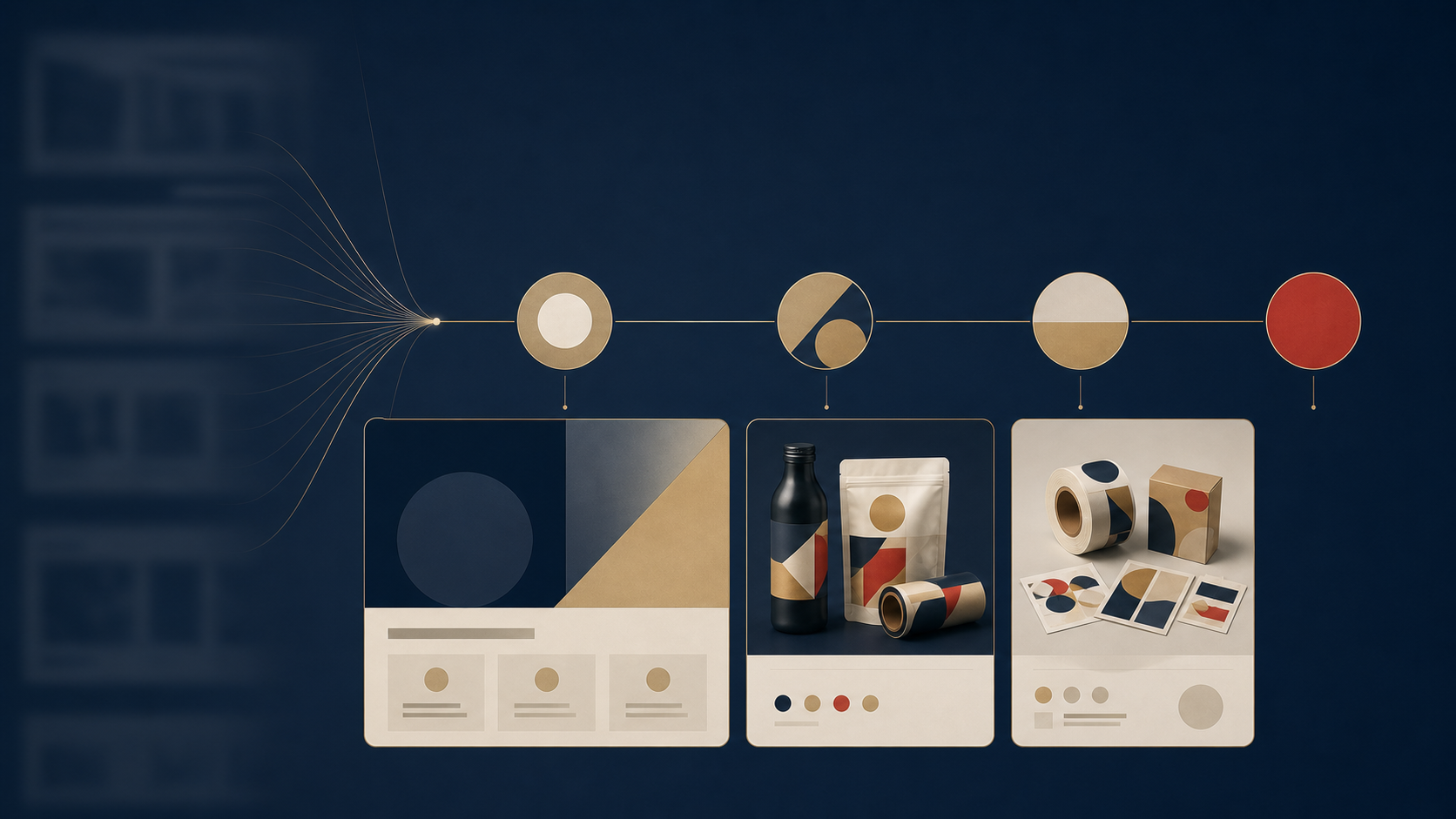
Buyers can understand the core business, narrow the product range, check capability signals, and find a contact path more quickly.
View page changes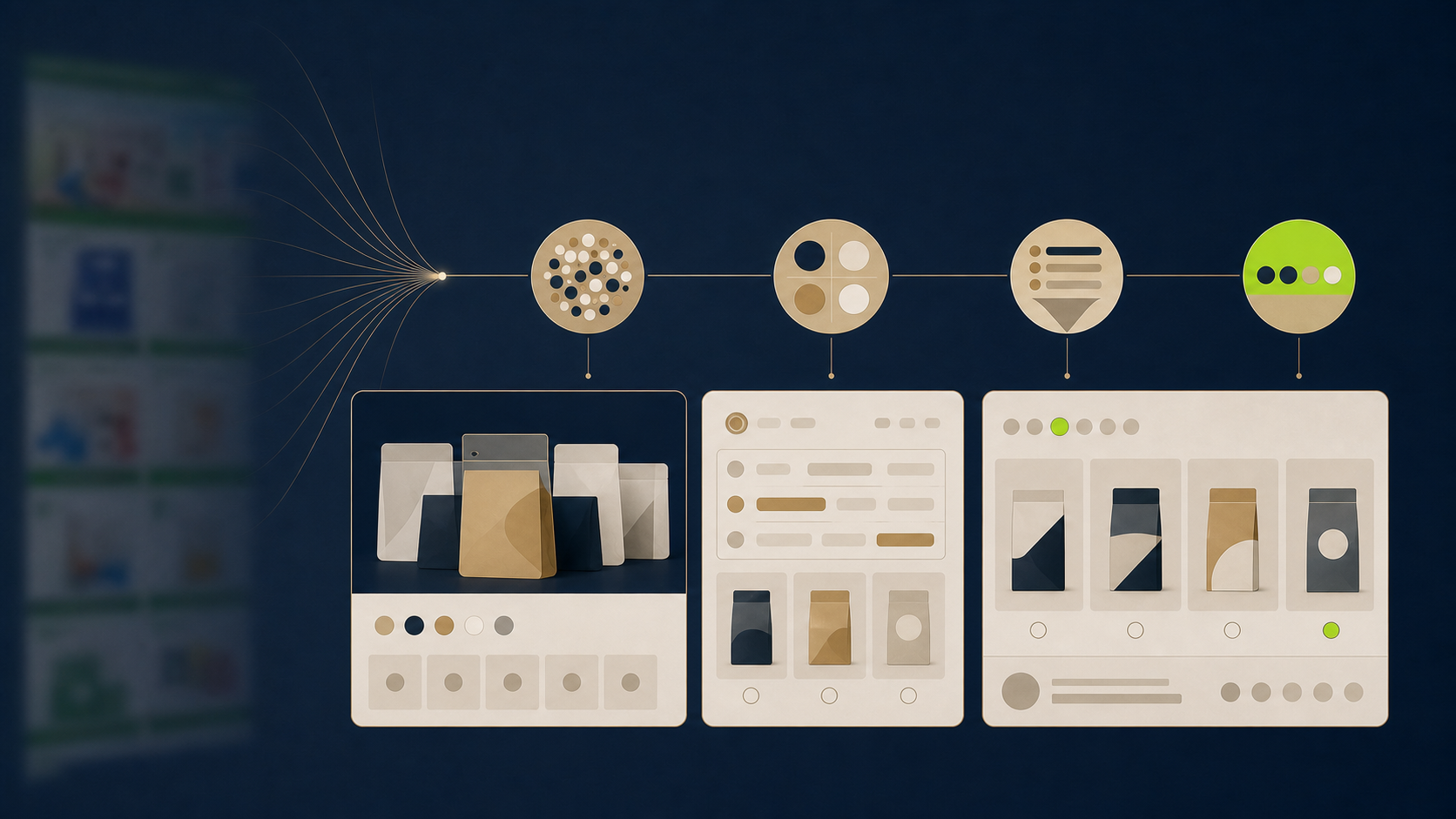
Four product entrances, lightweight filters, two representative detail paths, and contact each perform a defined task.
View page changes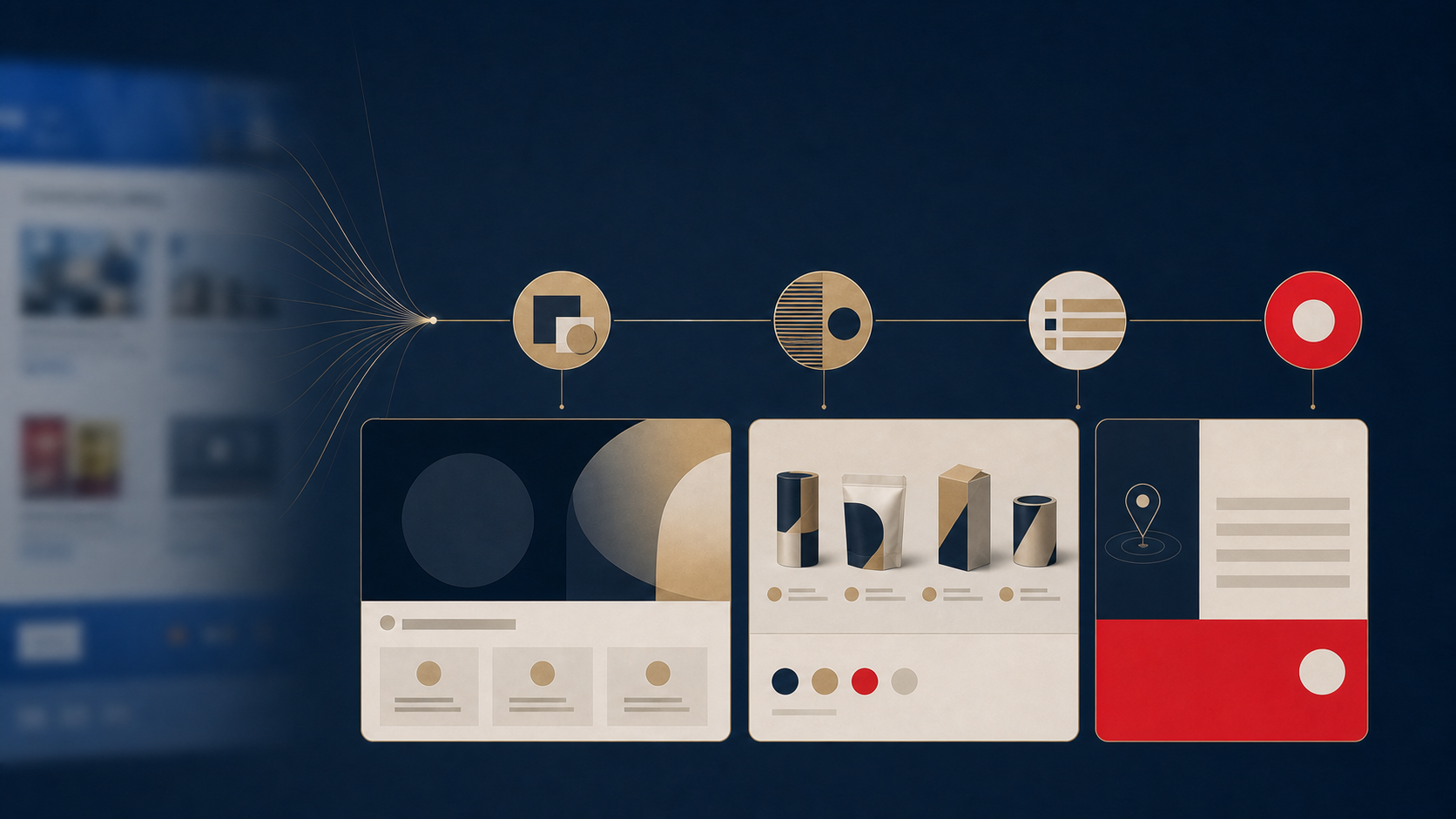
The first screen explains the packaging direction first; existing company evidence is reorganized and linked to a structured inquiry.
View page changesCase pages explain observable changes. They do not describe a test version as customer-adopted or report unverified inquiry, order, or revenue results.
View all casesResponsibility structure
Objectives, materials, implementation, and acceptance each have corresponding responsibilities and human confirmation points.
Responsibility maps to specific outputs and confirmation points; customers do not need to understand internal titles or reporting lines.
Confirm the company objective, priority problem, scope, input materials, and acceptance method.
Check product materials, public sources, customer authorization, and company facts that must not be invented.
Apply the confirmed information architecture to desktop and mobile pages while keeping entrances consistent.
Check copy boundaries, links, responsive behavior, and delivery scope before final human acceptance.
Collaboration path
Narrow the problem first, confirm materials and scope next, then accept through pages and check results.
A full-site rebuild is not assumed first.
Provide the current website, primary products, target buyers, and the problem causing the most difficulty.
Separate page facts, judgments, and material gaps, then confirm the part most worth addressing first.
Write down pages, languages, input materials, revision scope, and human confirmation points.
Check desktop, mobile, links, and evidence boundaries; decide whether to publish only after acceptance.
Customer protection
A website upgrade can improve information and contact paths, but it is not described as a guarantee of rankings, inquiries, orders, or revenue.
Do not invent unconfirmed customers, certifications, capacity, prices, markets, or business results.
Confirm inputs, outputs, revision scope, and acceptance standards before implementation; do not expand the project by default.
Customer identity, materials, relationships, and outcomes become public only after explicit permission.
Automation may assist checks, but customer-visible content and final choices remain under human review.
Next step
If you are still judging fit, review anonymous cases first. If you already have a specific problem, submit the website and business context through Mini Check for a human review.
Common collaboration questions
No. Webdinh starts with buyer understanding, product information, credible evidence, and contact paths. Design, content work, or technical implementation is included only when the confirmed scope requires it.
A person reviews the current website and business context first, explaining priority problems, material gaps, and possible scope. Production or outreach does not start automatically.
They are not public by default. Customer identity, internal materials, collaboration, and outcomes each require separate, explicit publication authorization.
No. If the current foundation remains usable, priority goes to pages that most affect buyer understanding, verification, and contact.
No. The website is only one part of the buyer journey; market, product, platform, and sales response continue to affect outcomes independently.