BEFORE · Original page
Brand, factory, and company introduction take most of the attention, while product entrances and inquiry preparation appear later.

From brand and factory display to product discovery, evidence checks, and structured inquiries
When a company operates two clearly different business lines, the homepage should help buyers choose the right entrance before asking them to understand the entire company.
BEFORE
The company arranges information
AFTER
The buyer reads by problem
IndustryFood and packaging manufacturing
ScopeHomepage, product discovery, evidence, and inquiry path
StatusLocal method validation · Public anonymous
Public anonymous method validation:BEFORE is softened as a whole to preserve structure and information density. AFTER keeps the real restructuring and obscures only company name, logo, phone, email, and other identity points. The case explains why the page needed to change and what buyers can do more easily after the change; it does not represent customer adoption or business outcomes.
Understand the case in 30 seconds
The restructuring adds no unverified company facts. It simply places public products, source evidence, and inquiry preparation into a more natural decision order.
BEFORE · Original page
Brand, factory, and company introduction take most of the attention, while product entrances and inquiry preparation appear later.
The problem that actually needed solving
Buyers first need to decide which business line is relevant, then determine which information is worth checking.
AFTER · Local restructuring
Dual business entrances, representative products, evidence points, and inquiry preparation form one continuous path.
VISUAL BA · 1440 × 900
BEFORE is softened while preserving structure. AFTER keeps the real restructuring and redacts only the name, logo, and contact details.
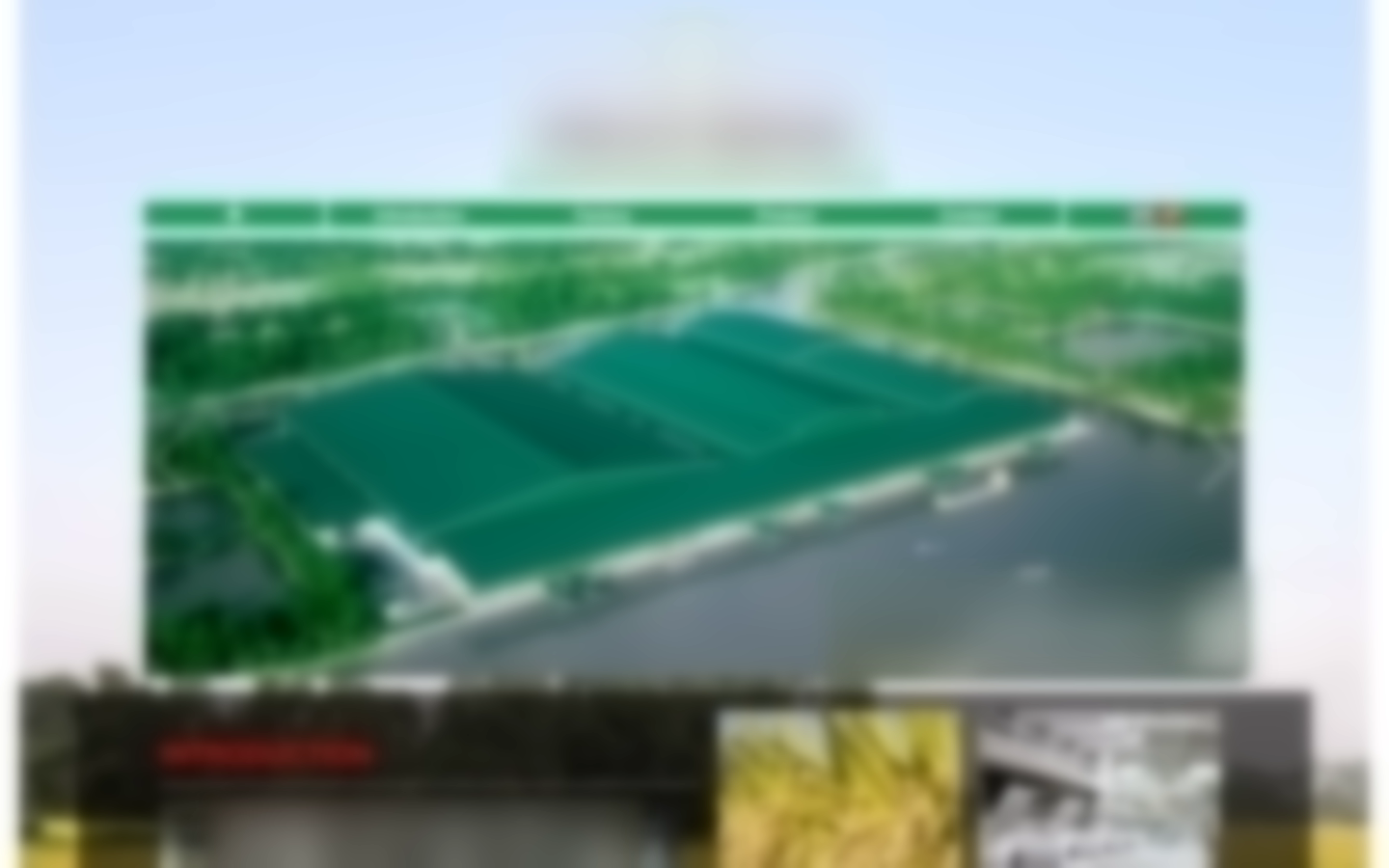 Identity information hidden
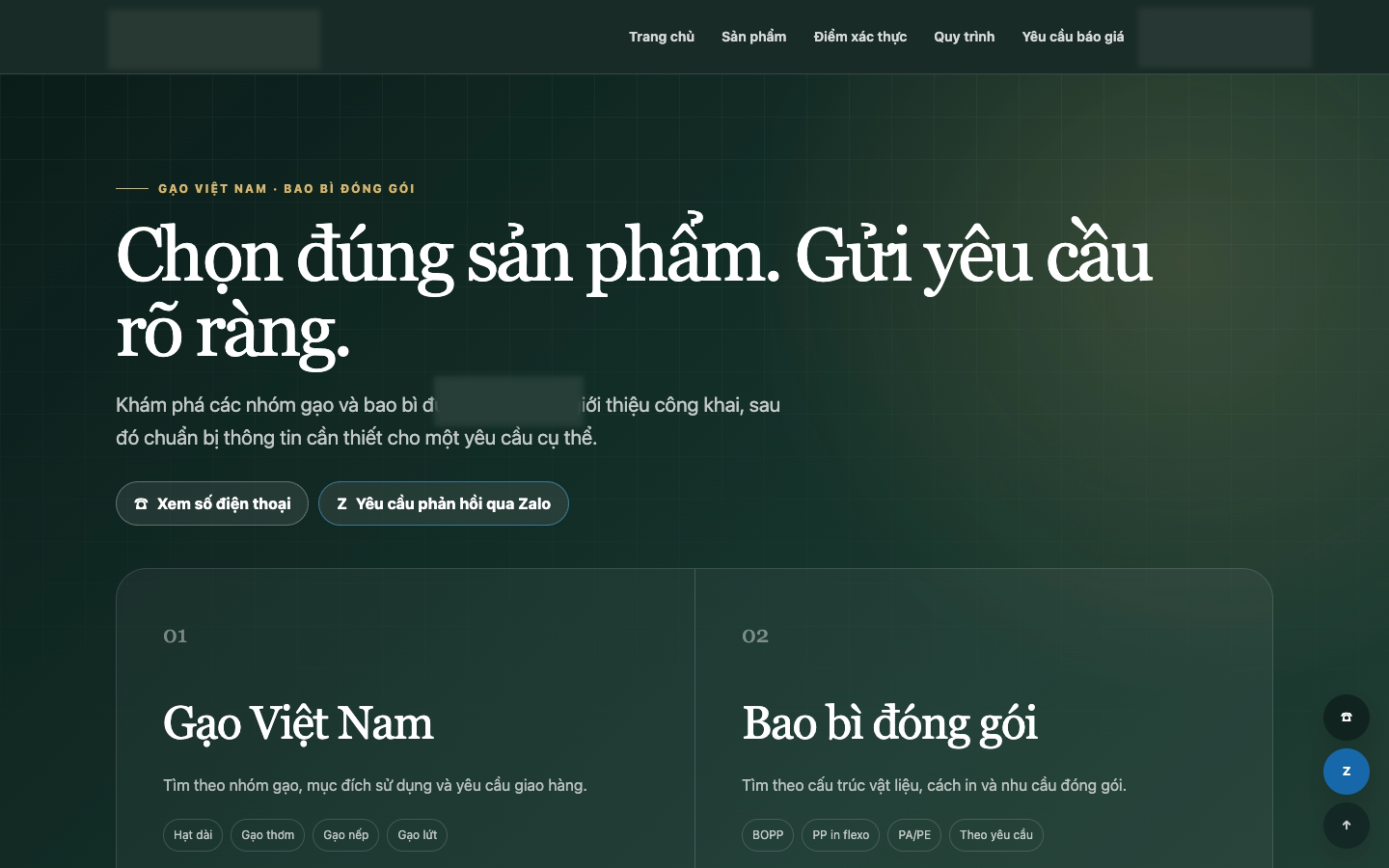 Identity information hidden
“The value of a case is not proving that the page looks different. It is showing which buyer decision became easier.”
Three key changes
The BA comparison runs through all three decision points. BEFORE uses a softened image to retain the original structure; AFTER keeps the real restructuring and hides only company identity and contact details.
Route first
Buyers in the two lines care about different products, uses, and delivery conditions. Routing first reduces interference from irrelevant information.
As a result, the customer can
Buyers confirm the relevant direction faster without reading the full company introduction first.
BEFORE softened structure · AFTER locally anonymized
Verify next
A factory image is not a conclusion by itself. It supports judgment only when connected to product scope, public sources, and verification actions.
As a result, the customer can
Buyers know what they are checking and which details still require direct confirmation.
BEFORE softened structure · AFTER locally anonymized
Inquire last
A phone number alone does not create a low-friction inquiry. Buyers also need to know which product, quantity, destination, and timing details to prepare.
As a result, the customer can
The first message carries more context, making the next conversation easier to start.
BEFORE softened structure · AFTER locally anonymized
The reading path after restructuring
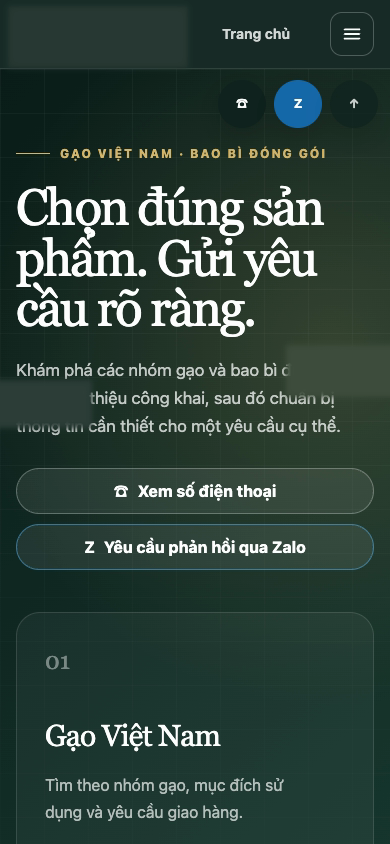 Identity information hidden
AFTER · Standard 390 × 844 mobile viewport · Identity points only are redacted
Why the customer can benefit
Choose first the right business direction, then enter the relevant products.
Verify first the public evidence, then decide whether to continue the conversation.
Prepare first the key requirements, then choose phone or an online channel.
This case does not claim
Bring the same question back to your website
Send the website link to first receive a homepage issue list and improvement priorities. A complete proposal is not required.
Send your website linkFirst answer three questions
Continue reading
Different companies need to solve different problems. The next case can begin with another information-architecture challenge.
Buyers can understand the core business, narrow the product range, check capability signals, and find a contact path more quickly.
Catalog breadth, two representative detail pages, capability explanation, and inquiry preparation are organized into distinct layers.
Four product entrances, lightweight filters, two representative detail paths, and contact each perform a defined task.
The first screen explains the packaging direction first; existing company evidence is reorganized and linked to a structured inquiry.